
Thoughtfully Embracing Risk in the Wild
Margins of error. Heuristic traps. Pre-mortem. Plan B.
These are concepts high-altitude mountain guides use when leading clients through consequential terrain, and thanks to Sam Dyer, they are now part of the vocabulary at Kabeyun.
As Head of Trips since 2023, Sam draws on his training with the American Mountain Guides Association and his year-round guiding career to help Kabeyun counselors think like professionals in the mountains and on the rivers. That means recognizing the small decisions that can compound into larger problems, anticipating what could go wrong before leaving camp, and building backup plans so weather, fatigue, or changing conditions don’t define the day.
The result isn’t a more cautious trips program – it’s a more confident one.
“I think it’s important from a risk management standpoint, but it’s also about the quality of the experience for our campers,” Sam says. “If you put more time and energy into the planning, you’re inevitably going to have a better executed trip.”
Wilderness tradition
This effort is the latest in a century of innovations within the trips program.
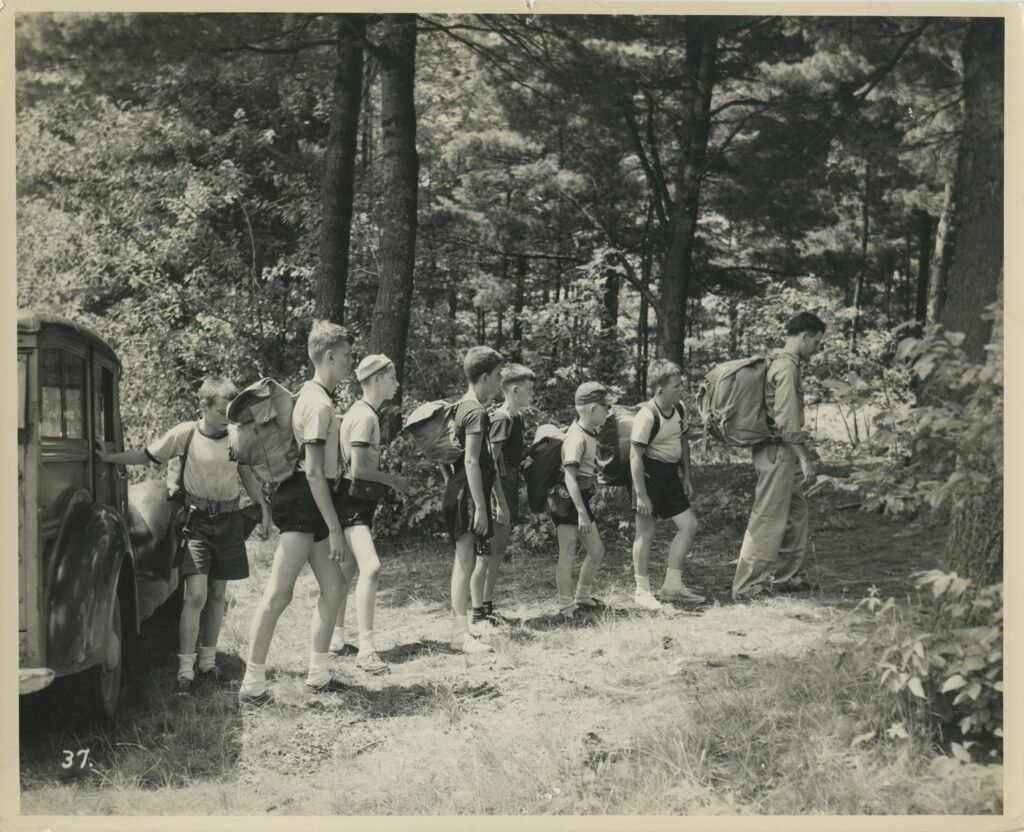
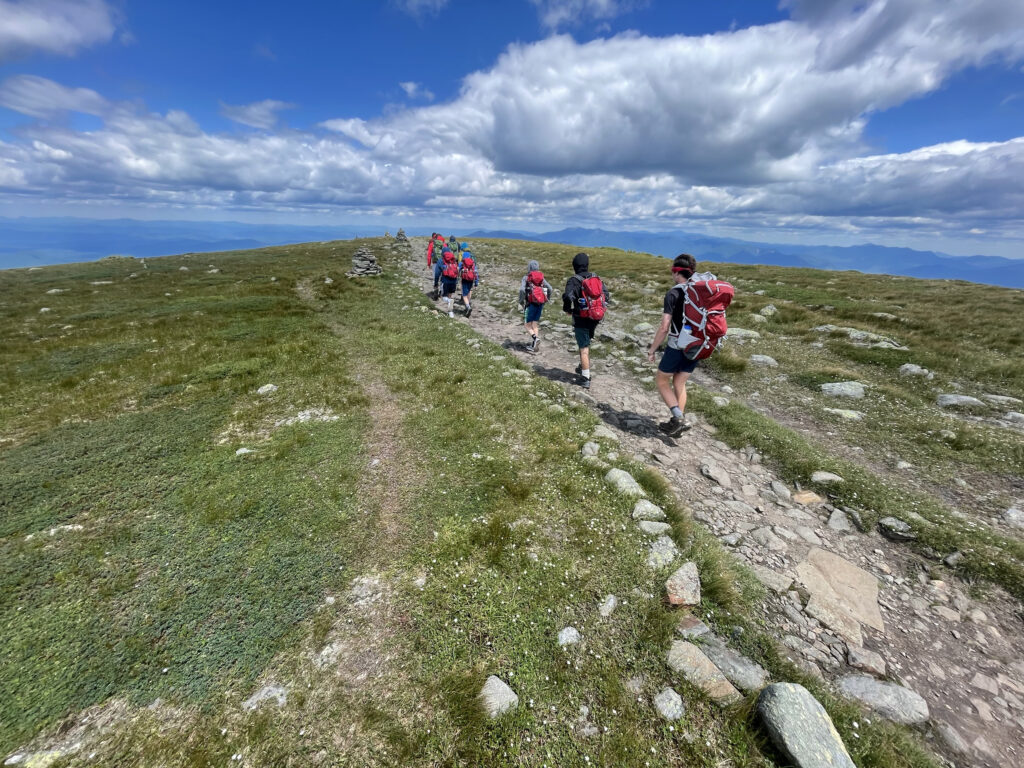
Bringing boys into the wilderness has been part of Kabeyun since its founding in 1924. Camp initially had two canoes and founder John Porter enjoyed leading paddling trips on the Ossipee River. Due to primitive roads, early hiking trips began with a train ride to Crawford Notch, where boys could backpack for a few days. In 1954, Porter purchased a piece of land in Conway, NH, providing a jumping-off point for multiple days of hiking in the White Mountains before better roads made for easy day trips from Alton Bay.
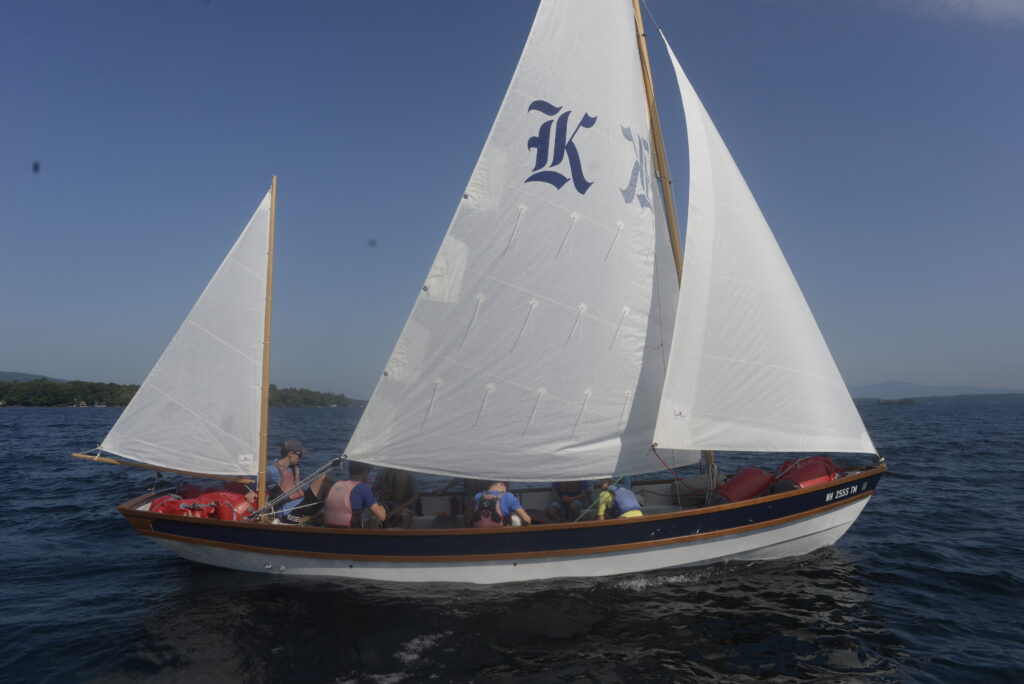
For the next several decades, hiking and canoeing made up all of Kabeyun’s adventure trips, other than occasional overnight sailing trips on Lake Winnipesaukee. Developments in outdoor recreation in the 1980s and 90s brought big changes: the start of Kabeyun’s whitewater kayaking and rock climbing trips.
New Horizons
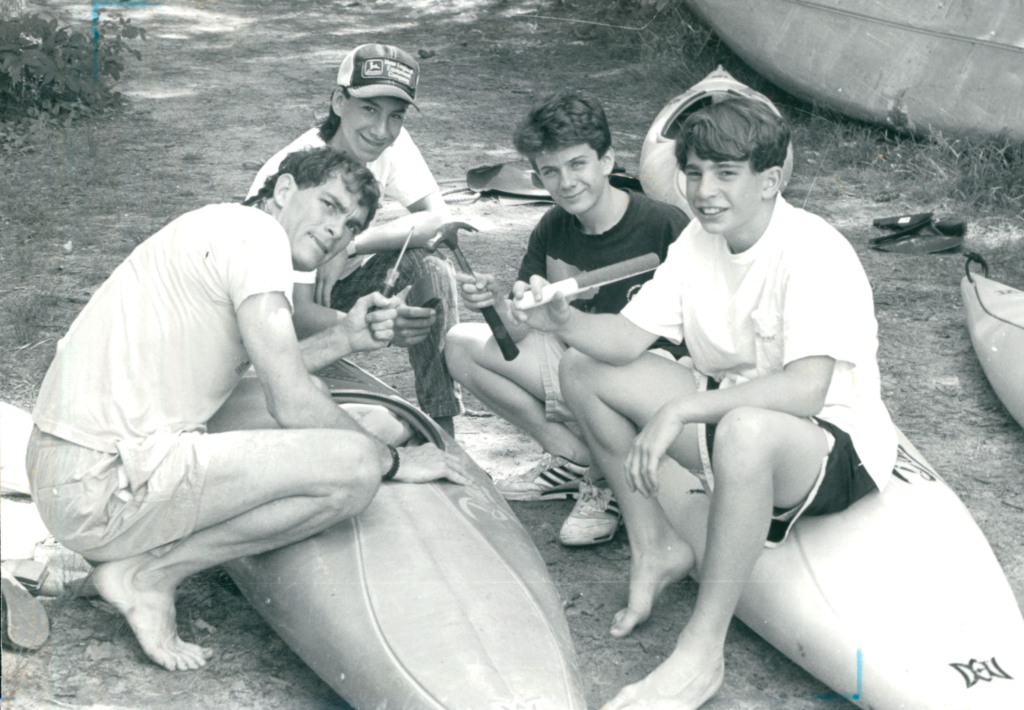
“People didn’t start running really challenging whitewater until the advent of the plastic kayak,” says Terry Dash, who arrived at Kabeyun in 1985, as rotomolded plastic kayaks were becoming more available and less expensive. While camp had some kayaks before his arrival, Terry’s enthusiasm for whitewater was contagious and kayaking grew in popularity throughout the late 1980s. Kabeyun purchased a dozen high-quality kayaks but there were limits on what director Nick Latham would spend: for years, campers kayaked in $10 hockey helmets!
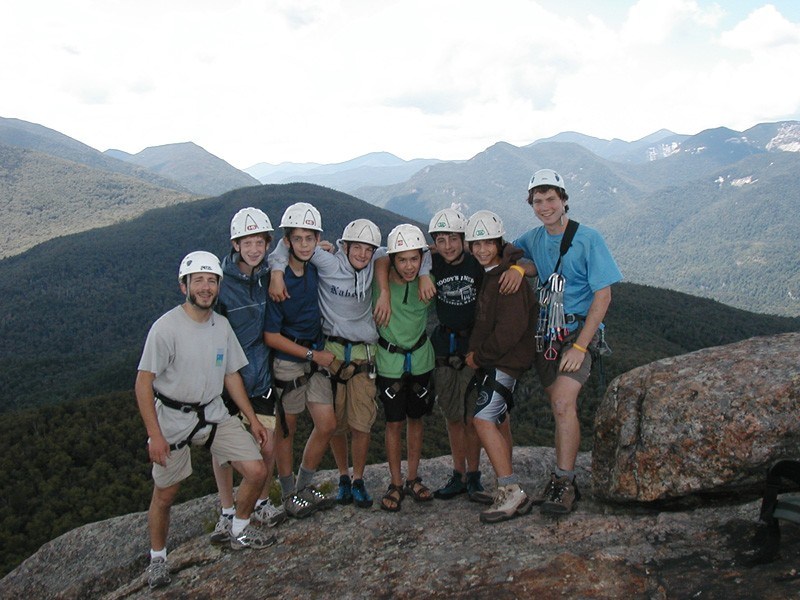
Kabeyun’s early rock climbers also had to “make do” when it came to equipment at first. JT Lindholm led camp’s inaugural rock climbing trips in 1990, using harnesses, carabiners, and ropes from camp’s ropes course, which was developed by Julian Czarny in the 1980s.
Limited equipment did little to dampen the campers’ and counselors’ enthusiasm and gradually trips of all sorts were better “kitted out.” By the late 1980s, camp’s gear no longer fit in the small trips room that was tacked on the back of the dining hall in 1953. Around 1999, Kabeyun erected the current trips building to store supplies and equipment for camp’s expanded wilderness offerings.
Raising the standard
Which brings us back to risk management: new types of adventures demanded new thinking, especially as expectations around safety and organizational responsibility evolved.
“When an organization becomes more aware of objective risk, there are two directions it can go,” Ken Robbins explains. “One is to say, ‘this is risky, and the surest way to eliminate risk is just don’t do it.’ That’s what a lot of camps have done. The other choice – our choice – is to do a thorough evaluation, get more training, and figure out safe ways to still run your programs.”
Kabeyun chose the second path, and under Ken’s leadership, continues to evaluate and innovate. In this effort, camp benefits from the insights and extensive trips experience among Kabeyun’s senior leadership, including Ken, nurse Kevin Wilcox, and seven current members of the Porter Foundation Board of Trustees who led trips and/or served as Head of Trips over three decades.
Many of this century’s innovations are concrete, like the satellite communication devices counselors have carried on every wilderness trip since 2023, and vans with the latest safety features. Since 2013, Kabeyun has leased its trips vans rather than purchasing them, ensuring staff are transporting campers in new vehicles with the most up-to-date technology every summer.
Others are intangible, like the subtle but impactful changes in mindset that Sam encourages. For campers, much of the preparation goes unnoticed, and that’s the point. Thanks to more upfront work by counselors, Sam sees fewer trips “botched” by weather or injuries, allowing campers to enjoy developing their skills rather than reacting to preventable setbacks.
“Sometimes counselors come back and say, ‘everything went awry, but we pivoted to our Plan B and it was still a really good day.’ In my mind that’s perfect, that’s the reason we’re doing this work. We’re creating better experiences for the campers and the staff.”
A century after Kabeyun’s first trips, the philosophy remains the same: challenge builds confidence, and the wilderness shapes character. What has evolved is the thought and care behind each adventure.
The goal is not to eliminate risk, but to manage it wisely, allowing every camper to stretch his limits while supported by a program refined over generations.
Thanks to the many alumni who shared their recollections for this article! There’s so much more to read about the evolution of the trips program, including photos, here – “A Century of Wilderness Trips.”